Why would two homes carrying the same "10-year tax abatement" label, sitting a few blocks apart in the same zip code, end up costing their owners such different amounts by year five?
That question comes up more often than buyers expect once they start comparing listings in Academy Gardens, the tucked-away pocket of Northeast Philadelphia bordered by Grant Avenue, Pennypack Park, the John F. Byrne Golf Course, and Holme Avenue. The neighborhood's headline numbers look simple enough. As of July 2026, average sale prices sat around $330,000, up 4.6 percent from a year earlier, in a market competitive enough that homes go pending in about 27 days, with the hottest listings closing roughly 3 percent over asking within a week. Read that far and you'd assume Academy Gardens is one market with one story.
It isn't. And the reason has less to do with location than with a change to how Philadelphia taxes new construction, one that took effect back in 2022 and still catches buyers off guard.
Two Neighborhoods Wearing One Zip Code
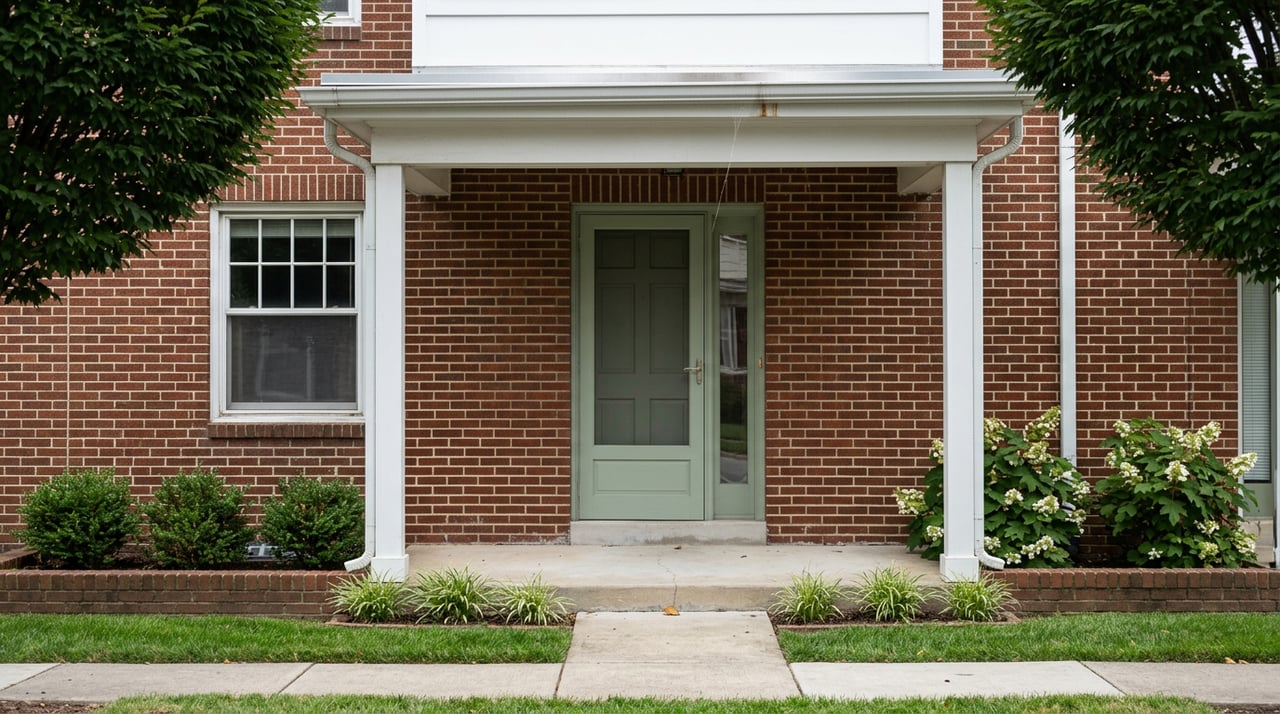
Academy Gardens earned its reputation on brick twins and rowhomes. Roughly 63 percent of the residential stock here is classified as row houses and attached homes, most of it built between 1940 and 1999. Walk the blocks off Academy Road or Willits Road and the pattern repeats itself: center-hall twins with covered front patios, straight-through rows with finished basements, the occasional brick rancher with a detached garage and a deep backyard. These are the homes carrying that $330,000 average, and they're what most buyers picture when they search the neighborhood.
Then there's 3600 Grant Avenue.
What Replaced the Aquatic Center
For years, that address held an indoor swimming facility run by the AFC Fitness chain, built around a large pool covered by a barrel roof tall enough to rise well above the two-story homes around it. A fire destroyed the facility in 2017, and the site sat vacant until developer Zatos Investments filed plans, detailed at the time by Philadelphia YIMBY, for a 30-unit townhome community called Torresdale Manor.
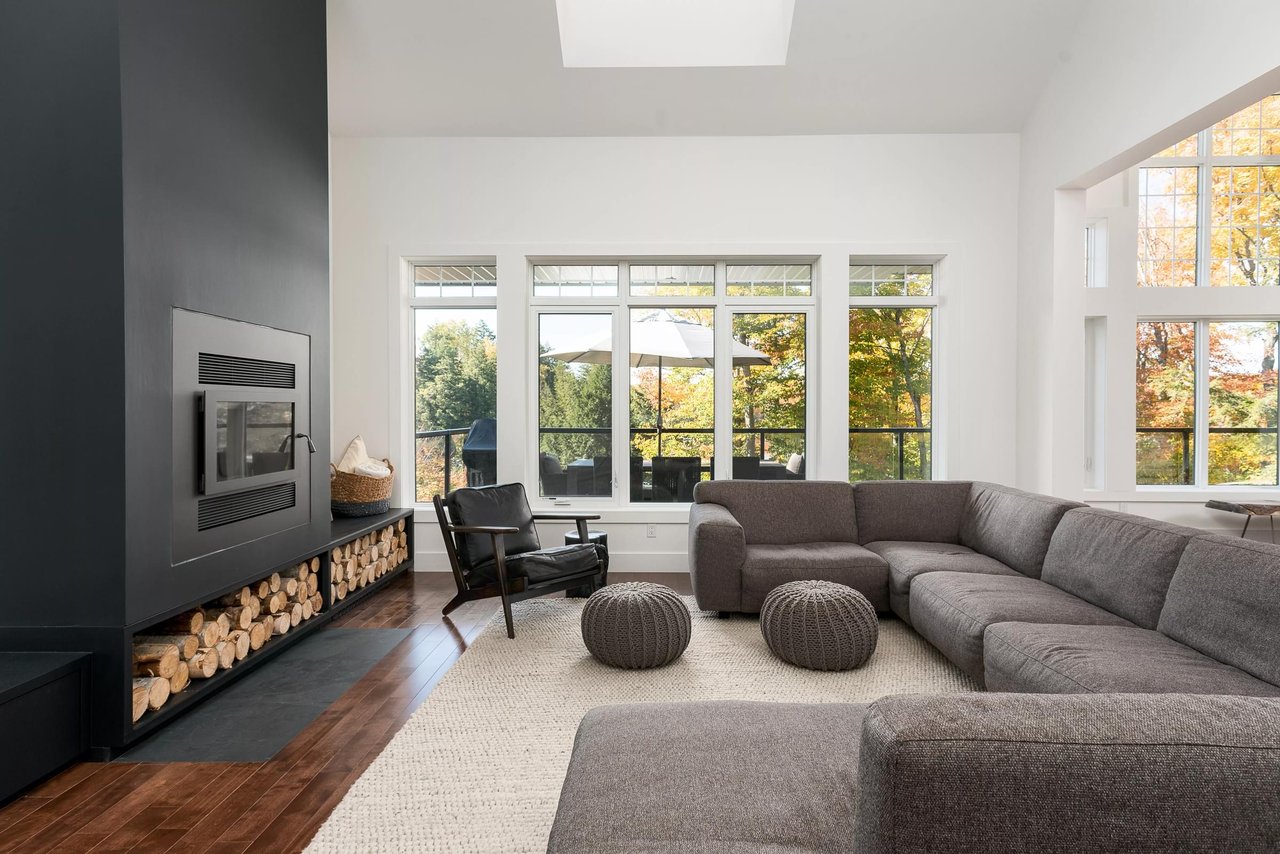
The development sits at what that writeup described as the far eastern edge of Academy Gardens, close enough to the Union League Golf Club at Torresdale that listings lean on the proximity as a selling point. The homes are a different animal from the rest of the neighborhood: four bedrooms, three-plus bathrooms, two-car parking, finishes built for a buyer with a very different budget than the one shopping the twins two blocks over.
Pricing tells that story on its own. In an earlier sales phase, promotional pricing offered base units in the $499,000 to $525,000 range. One completed unit sold for $630,000 in December 2024. Another has since changed hands off-market in the $550,000 range, with a current estimated value well north of that. None of these numbers come close to the neighborhood's $330,000 average, because they were never competing in that market to begin with.
The Word "Abatement" Stopped Meaning One Thing
Every Torresdale Manor listing mentions a 10-year tax abatement, and most buyers assume that phrase means the same thing everywhere in the city. It doesn't anymore.
Philadelphia's abatement program has run since 2000, exempting the added value of new construction or major renovation from property taxes for a set period so owners pay tax only on the land while the building itself sits untaxed. City Council changed the rules for anything permitted on or after January 1, 2022. Properties that pulled a permit before that date still get the old version: 100 percent of the improvement's assessed value exempt for the full 10 years. Properties permitted from 2022 onward get a declining schedule instead, full exemption in year one, then stepping down 10 percentage points every year until the exemption disappears entirely.
Here's what that split looks like in practice:
| Year of Ownership | Pre-2022 Permit (Flat Abatement) | 2022+ Permit (Declining Abatement) |
|---|---|---|
| Year 1 | 100% of improvement value exempt | 100% of improvement value exempt |
| Year 5 | 100% of improvement value exempt | 60% of improvement value exempt |
| Year 10 | 100% of improvement value exempt | 10% of improvement value exempt |
| Year 11 | Full taxable value applies | Full taxable value already applies |
Two owners on the same block, both holding a "10-year abatement," can be paying meaningfully different property tax bills by year five, depending entirely on when their unit's building permit was filed. Neither the marketing copy nor the neighborhood average tells you which one you're looking at.
Why That Matters Unit by Unit at Torresdale Manor
Torresdale Manor built out in phases, and listing history for the community references a Phase II pricing push, which means the 30 units in this single development didn't all pull permits on the same day. Units from the earliest phase likely secured permits before the January 2022 cutoff. Units built and marketed closer to or after that date are more likely riding the declining schedule.
That distinction won't show up in a listing description written to sell the unit, and it won't show up in a portal's neighborhood-wide price average either. It shows up in the property's own city record and nowhere else.
Before writing an offer on any abated new construction here, or anywhere in Philadelphia, pull the specific address on the city's Atlas mapping tool and check the Office of Property Assessment's abatement guidance for that parcel. The permit issue date determines which version of the abatement applies, and the assessment history shows the exempt amount and the scheduled expiration year. A seller's disclosure or a listing agent's summary is a starting point. The OPA record is the source that controls if the two disagree.
What Buyers Comparing Academy Gardens Should Actually Do
If you're weighing an older twin against a new Torresdale Manor unit, the real comparison isn't twin versus townhome. It's a fixed, fully-taxed monthly payment against one that's temporarily discounted on a schedule that varies by permit date. Run both numbers out ten years, not one, before deciding which fits your budget. If you're looking at resale inventory inside Torresdale Manor specifically, confirm the remaining abatement years on that exact unit before comparing it to a brand-new listing down the street. The clock started the day the permit was issued, not the day you close.
Frequently Asked Questions
Does a property's tax abatement transfer to a new owner if I buy it as a resale? Yes. The abatement runs with the parcel and its remaining schedule, not with the original buyer. A resale purchase inherits whatever years and percentage remain on that specific address, which is exactly why checking the permit date matters even on a home that's already been lived in once.
What happens to the tax bill once the abatement fully expires? The property becomes taxable at its full assessed value, land and improvements together. For homes on the old flat schedule, that's a one-time jump after ten full years of exemption. For homes on the declining schedule, the increase happens gradually each year, so the final step is smaller because most of the climb already happened.
Is new construction still available at Torresdale Manor, or is it resale only at this point? Listing activity for the development has shifted toward individual unit resales in recent periods, though availability can change as remaining inventory moves. Anyone interested should confirm current status directly rather than relying on older promotional pricing.
Comparing an older Academy Gardens twin to a newer townhome a few blocks away means comparing two different tax timelines as much as two different floor plans. If you want help pulling the actual OPA record on a specific address before you write an offer, or working out what your real carrying cost looks like ten years from now, Hernan Alvarado Jr works this exact stretch of Northeast Philadelphia and can walk through the numbers with you. Let's Connect.