Thinking about trading Philadelphia city blocks for Main Line space? Villanova can offer a quieter, more residential lifestyle while keeping Center City within reach, but it is not a simple suburb swap. If you are considering the move, you need to understand how pricing, housing stock, taxes, commute options, and even school district boundaries can change from one address to the next. Let’s dive in.
Villanova Feels Close to Philadelphia, But Different
Villanova is a small Main Line community with a 2020 Census population of 8,213 across just 2.09 square miles. Even though it is suburban in scale, local planning materials describe the area as still strongly connected to Center City through jobs, institutions, and transportation routes.
For a Philadelphia buyer, that framing matters. You are not moving to a far-flung suburb with a totally separate rhythm from the city. You are moving to a close-in, established residential area that feels quieter, less dense, and more address-specific.
Expect a Major Budget Shift
One of the biggest adjustments is price. Current market trackers place Villanova around the mid-$1.5 million range in spring 2026, with Zillow reporting an average home value of $1,531,943 and Redfin reporting a median sale price of $1,625,000.
That is a dramatic jump from Philadelphia, where Zillow reported a home value of $229,411. Based on those values, the move from Philadelphia to Villanova implies a budget increase of roughly 6.7 times, which makes Villanova a very different buying conversation than many city neighborhoods.
Inventory also appears tight. Zillow reported only 15 homes for sale, while Redfin reported 10 homes sold with a median of 11 days on market and described the market as very competitive.
If you are moving up from Philadelphia, this means preparation matters. You need to be realistic about what your budget buys, how quickly homes can move, and whether you are targeting a fully updated home or one that may need work.
Housing Stock Is Older and More Varied
Villanova is not known for large tracts of uniform new construction. Lower Merion planning documents say the land-use pattern is predominantly single-family detached housing, and 70% of the housing stock was built before 1960.
That older housing stock shapes the buying experience. In practical terms, one home may be beautifully renovated while another on the same street may still need major updating. Lot size, floor plan, and condition can vary a lot from property to property.
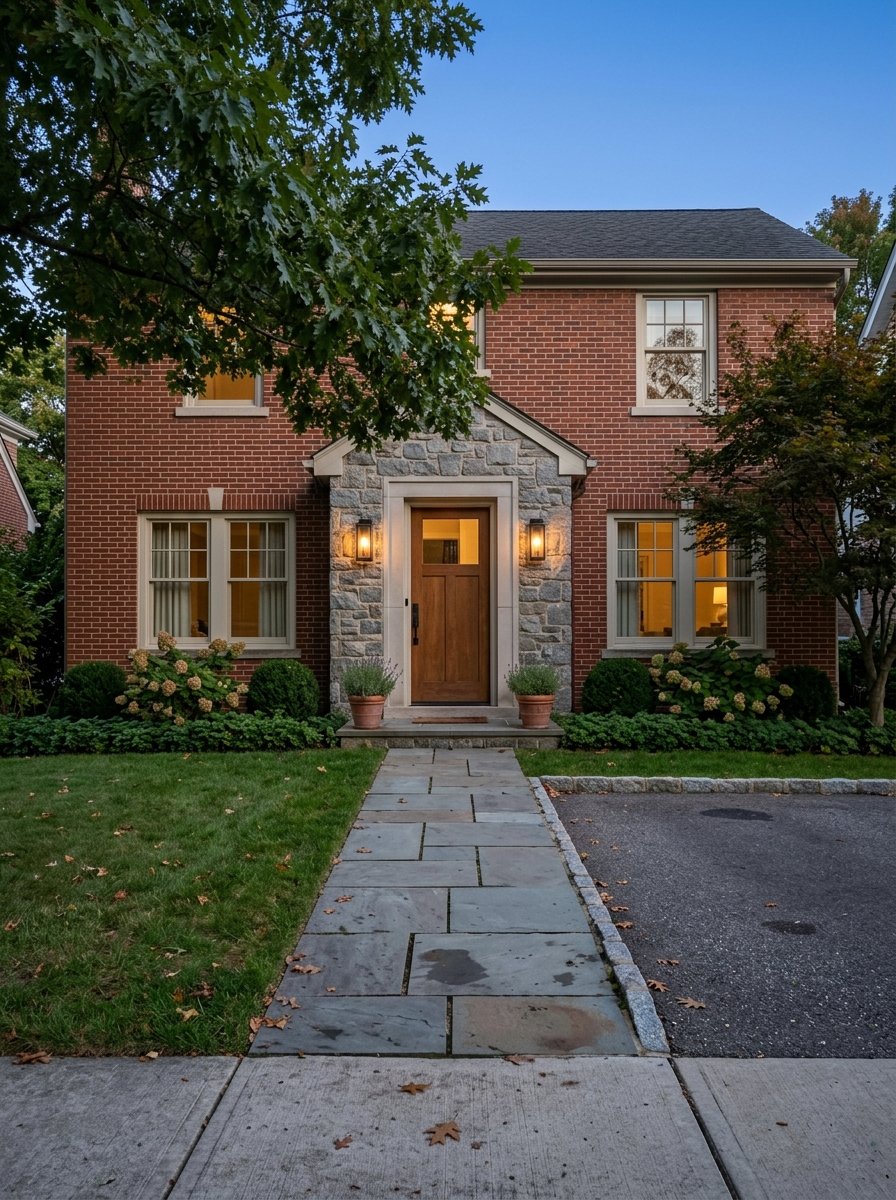
Architecturally, the area includes a wide mix of styles tied to the Main Line’s history. Buyers may see stone farmhouses, Colonial and Colonial Revival homes, Tudor influences, Queen Anne details, shingle-style homes, and later country-style or modern farmhouse forms.
If you are coming from Philadelphia rowhomes, twins, or townhouses, this can feel like a big shift. Instead of comparing mostly similar housing types, you may be comparing very different homes with very different maintenance needs, renovation quality, and long-term costs.
Villanova Is an Address-Sensitive Market
One of the most important things to know is that Villanova is best understood as an address-sensitive village market, not a single uniform municipality. Lower Merion and Radnor both identify Villanova in their local materials, which means the exact property location matters more than the mailing address alone.
That affects more than just paperwork. It can influence school assignment, local taxes, and the exact municipal resources tied to the home.
For buyers, this means you should verify details early in the process, not after you fall in love with a property. A Villanova address does not automatically tell you everything you need to know.
Check School District by Exact Address
If schools are part of your decision, do not assume district placement from the Villanova mailing address. The area is closely tied to both Lower Merion and Radnor school systems, and local materials make clear that school assignment depends on the exact address and boundary lines.
Lower Merion resident resources link Villanova with the Lower Merion School District, and Black Rock Middle School is located in Villanova. Radnor Township School District also states that K-12 placement depends on a student’s home address and school boundaries.
The takeaway is simple: verify before you commit. In Villanova, parcel-level details matter, and assumptions can lead to surprises.
Taxes May Work Differently Than You Expect
Philadelphia buyers should also be ready for a different property tax setup. In the Lower Merion portion of Villanova, the township notes that township and county real estate taxes and school district real estate taxes are mailed separately.
That may feel unfamiliar if you are used to a simpler tax structure. Lower Merion also notes that school district taxes can be paid in installments, which may help with budgeting depending on your situation.
When you are planning your move, it is smart to look beyond the purchase price. Your full carrying cost should include taxes, insurance, maintenance on an older home, and any updates the property may need over time.
Commute Options Are a Big Selling Point
Villanova sits on a strong commuter corridor, and that is one reason many Philadelphia-area buyers consider it. Local planning documents identify Lancaster Avenue, Montgomery Avenue, Conshohocken State Road, the Schuylkill Expressway, and the Blue Route network as major access routes.
For drivers, that means practical connections to I-76 and I-476. For rail commuters, SEPTA’s Paoli/Thorndale Line serves Villanova directly and places it in Fare Zone 3.
The line includes direct service to Gray 30th Street Station, Suburban Station, Jefferson Station, and Temple University. SEPTA also says Route 106 serves Villanova University.
This gives you options. If you work in Center City or need regular access to Philadelphia, Villanova can support both driving and regional rail in a way that many suburbs cannot.
Daily Life Is More Residential Than Retail-Driven
Lifestyle is where many Philadelphia buyers feel the biggest change. Villanova is largely residential, and Lower Merion notes that commercial land use is clustered in only a handful of districts.
That means you are likely trading walkable city convenience for more space, quieter streets, and established residential character. For many buyers, that is the point of the move. For others, it can take some adjustment.
If you love stepping outside to dense retail, restaurants, and everyday services within a few blocks, Villanova may feel less immediate than Philadelphia. If you want a quieter day-to-day setting while staying connected to the city, it may feel like the right fit.
What Philadelphia Buyers Should Prioritize
When you move from Philadelphia to Villanova, the smartest approach is to focus on the questions that matter most in this market.
Confirm the Property Location
Because Villanova is address-sensitive, confirm the exact township, tax structure, and local jurisdiction tied to the property. This helps you understand what you are actually buying before you get deep into the process.
Evaluate Condition Carefully
With older detached homes, condition is not a minor detail. Look closely at how much has been renovated, what may still need updating, and whether the home’s upkeep fits your budget and goals.
Plan for the Full Cost
The purchase price is only part of the picture. Carrying costs can include separate tax bills, ongoing maintenance, insurance, and future improvements that are more common in older housing stock.
Test the Commute
If commuting matters to you, check both the driving route and the rail option. A manageable commute is one of Villanova’s strengths, but your real-world experience will depend on your exact schedule and destination.
Why the Move Appeals to Philadelphia Buyers
For the right buyer, Villanova offers a clear lifestyle upgrade in space and residential setting while still staying connected to Philadelphia. It is a close-in suburb with strong commuter access, established housing, and a long-term ownership profile that stands out.
Census estimates show a 100.0% owner-occupied housing rate, which supports the idea that this is a market built around ownership rather than high turnover. That can be appealing if you are looking for stability and a longer-term home base.
The tradeoff is cost and complexity. You are stepping into a small, competitive, high-price market where details like address, taxes, housing condition, and commute patterns matter more than they might in many city neighborhoods.
If you are considering the move, the best strategy is to go in with clear expectations and a sharp understanding of how Villanova works at the property level. If you want help thinking through the move from Philadelphia to the Main Line, connect with Hernan Alvarado Jr for clear, strategic guidance.
FAQs
What should Philadelphia buyers know about Villanova home prices?
- Villanova is a much higher-cost market than Philadelphia, with spring 2026 market trackers placing home values and sale prices around the mid-$1.5 million range.
What should Philadelphia buyers know about Villanova housing stock?
- Villanova is dominated by older single-family detached homes, and much of the housing stock was built before 1960, so condition and renovation quality can vary widely.
What should Philadelphia buyers know about Villanova school districts?
- Villanova addresses can fall into different school systems, so district assignment should always be verified by exact property address rather than assumed from the mailing address.
What should Philadelphia buyers know about commuting from Villanova?
- Villanova offers access to major road networks and direct SEPTA Paoli/Thorndale Line service to key Philadelphia stations, giving buyers both driving and rail options.
What should Philadelphia buyers know about Villanova taxes?
- In the Lower Merion portion of Villanova, township and county taxes and school district taxes are billed separately, so buyers should review the full carrying cost before closing.